Gen Z vs. Millennial Wedding Clients: What Vendors Need to Know
Gen Z wedding clients aren’t just “younger millennials,” they plan, communicate, and spend differently, and vendors need to adjust.

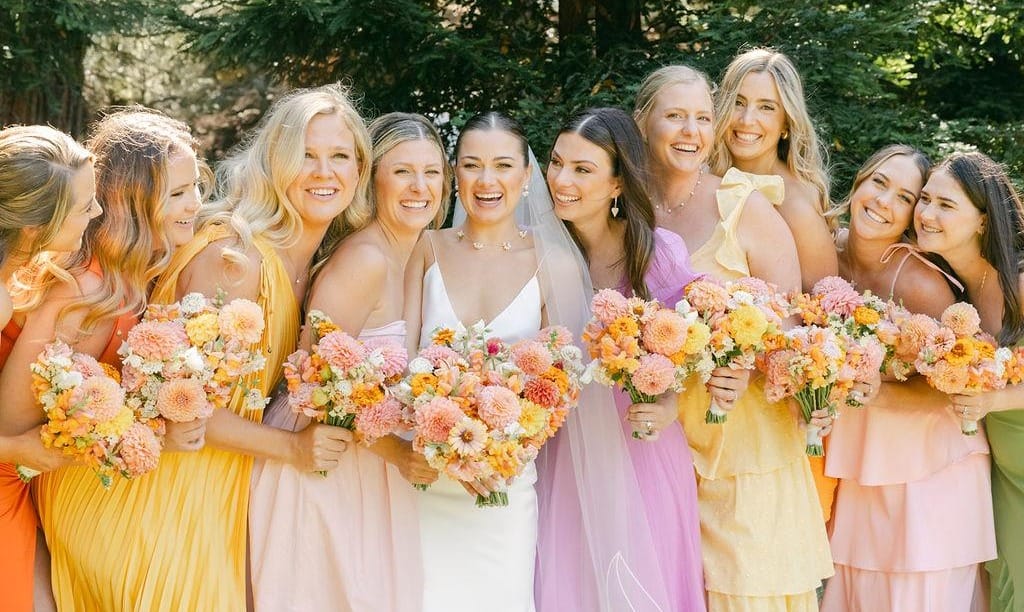
The next wave of engaged couples is arriving, and they’re not planning weddings like the millennials before them. Generation Z (born roughly 1997–2012) is coming of age, bringing new priorities and behaviors as wedding clients. Already, Gen Z makes up about a quarter of engaged couples in 2024, and by 2026 they’re projected to represent the majority of couples tying the knot. For wedding vendors, this generational shift means it’s time to adjust strategies. Below, we dive into how Gen Z couples differ from millennial couples, from planning habits to values, and how vendors can better appeal to these new-age nearly-weds.
Digital Natives with New Search Habits
Gen Z couples are true digital natives, and it shows in how they find inspiration and vendors. Unlike older millennials who might have started with Google searches or bridal magazines, Gen Z’s planning journey often begins on social media and other online platforms. In fact, about 75% of today’s young couples start wedding planning on Pinterest, 57% use Instagram to research vendors, and nearly half (48%) turn to TikTok for ideas; a surprising 20% even use AI tools like ChatGPT for early planning guidance. Inspiration comes first on these visual, fast-paced channels, and search engines come later.
Want to join the StyleMePretty vendor directory for just $99, or think you're ready for the Little Black Book premium membership?
For vendors, a strong social media presence is no longer optional, it’s essential. Your Instagram, TikTok, and Pinterest act as your storefront and portfolio in Gen Z’s eyes. This generation scrolls for vibrant photos, quick video snippets, and personality-driven content to decide if your style and vibe align with their vision. To catch their attention, make sure your feeds showcase bold visuals and authentic stories that reflect a distinct identity (for Gen Z, “imperfect” is part of the aesthetic). In short, meet them where they’re looking: on their phones. A regularly updated Instagram with engaging Reels, or a TikTok showing behind-the-scenes moments, can hook Gen Z couples long before they ever visit your website.
Communication: Fast, Clear, and Personal
When it comes to communicating with Gen Z clients, speed and transparency are paramount. This is a generation accustomed to real-time replies and instant information. Slow email response? You might lose the booking. According to recent insights, 71% of Gen Z couples say responsiveness is the most important factor when choosing a vendor, and 53% will literally go with the vendor who replies first. Alarmingly, 44% of young couples said that if they didn’t hear back from a vendor within five days, they moved on to another option. Five days feels like an eternity to Gen Z; in fact, even 24-48 hours of silence might test their patience.
What does this mean for vendors? First, tighten up your response times. Consider setting up automated acknowledgments so they know you received their inquiry, and follow up as quickly as possible with a friendly, personalized message. Don’t be afraid to communicate via the channels they use; many Gen Z clients may be comfortable with text messages or DMs in addition to email. And be clear and forthcoming: this generation values transparency. Share your pricing or starting rates openly and explain your process in simple terms (no jargon or buried fees). The faster and more clearly you provide the info they need, the faster they’ll trust you. On the flip side, overly formal or scripted sales emails can be a turn-off. Gen Z prefers a personable, authentic tone over a hard sell.
Finally, remember that Gen Z couples often do their homework online before even reaching out. By the time they contact you, they likely already have a sense of your style and maybe even reviews from past clients. When they do inquire, they appreciate vendors who educate rather than just sell. Offering helpful insights, whether it’s a quick timeline breakdown or a tip about venue logistics, can set you apart. You’re not just a service provider to them; you’re a collaborator and guide. Building that trust through openness and helpful communication can win their business and loyalty.
DIY Planning and Personalization vs. Traditional Approach
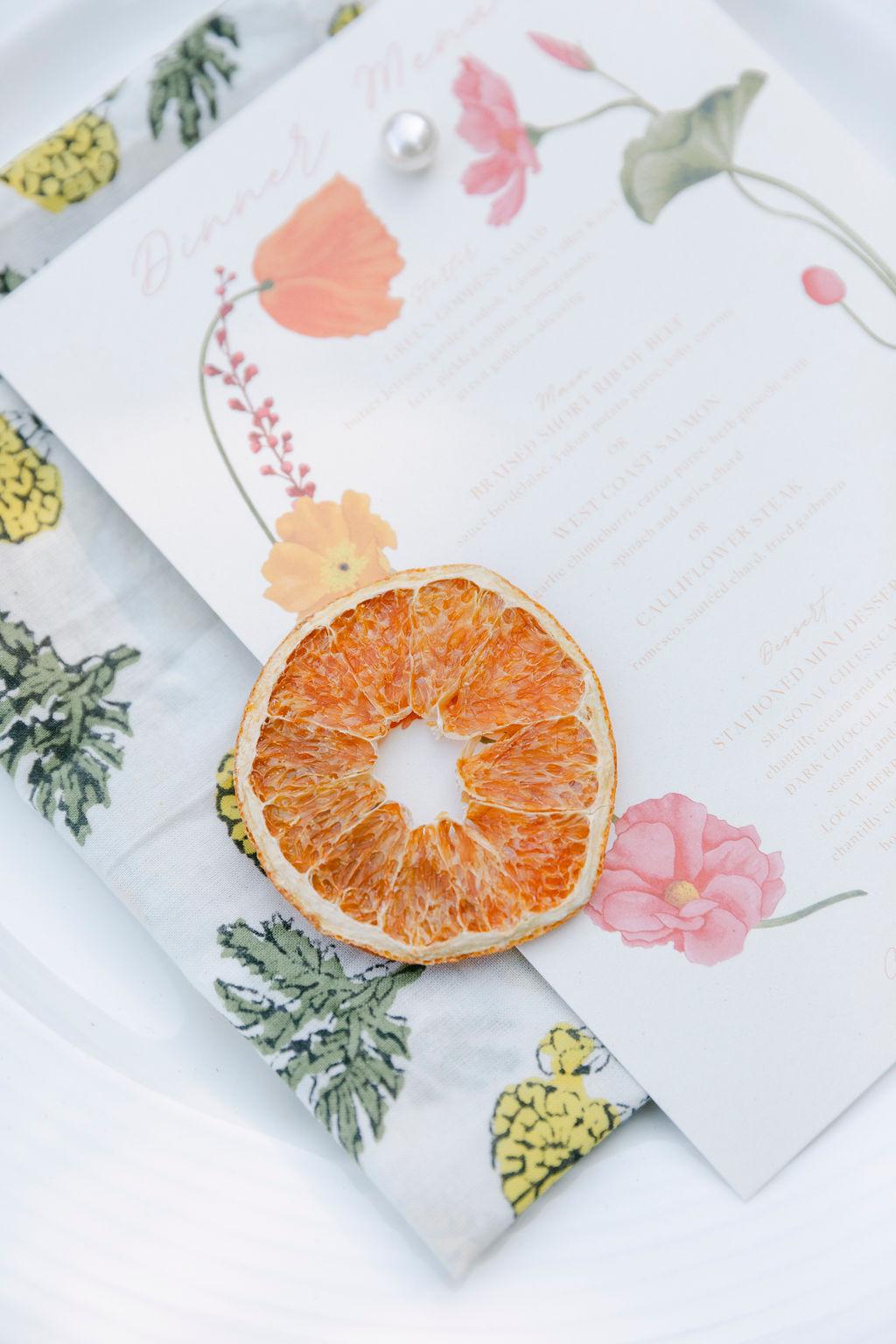
Another key difference between millennial and Gen Z clients is how they approach planning. Millennials, who are often in their 30s and juggling careers or family, leaned heavily on professional planners and tried-and-true formulas for their weddings. They popularized the multi-day wedding weekend (think welcome parties, elaborate rehearsal dinners, and next-day brunches) to maximize time with guests. Gen Z, however, is taking a more streamlined and hands-on route.
Statistics show that millennial couples have been more likely to hire wedding planners (37%) than Gen Z couples (29%), who tend to opt for a do-it-yourself approach. Gen Z brides and grooms are immersing themselves in planning via digital tools, curating Pinterest boards, saving TikTok hacks, and swapping ideas in Reddit or Discord communities. They grew up with information at their fingertips, so why not leverage it to plan a wedding? The result is often highly personalized celebrations full of unique touches that reflect their personality (and often, a keen eye on budget).
This doesn’t mean Gen Z won’t spend on professional help, it means they use it differently. They might hire a day-of coordinator or specific vendors for tasks they can’t DIY, but they want to remain creative directors of their day. Unlike many millennials who embraced the full-service, multi-event extravaganza, Gen Z is often content with a single-day celebration; but they’ll pour their energy (and money) into a few standout moments. Vendors report that while millennials may invest in an entire weekend’s worth of activities, Gen Z couples focus on one killer day with “Instagrammable” highlights: think interactive photo booths, social media-worthy moments, or other experiential entertainment. They’re not necessarily doing less; they’re just doing it their own way.
How can vendors adapt? Flexibility and customization are key. Offer packages that can scale down or up; for example, a photographer might advertise both single-day coverage and full-weekend packages to appeal to both styles of celebration. Emphasize options for personalization: Gen Z clients love when a vendor can help incorporate their quirky ideas (a custom menu cocktail named after their pet, or a nerdy pop-culture reference in the decor). If you’re a planner or designer, be open to unconventional concepts; this generation isn’t afraid to rewrite traditions with TikTok-inspired ideas or new rituals that feel personal rather than formal. A Gen Z couple might skip the garter toss and instead have an interactive dessert-making station, and they’ll expect you as the vendor to say “Yes, let’s make it happen” rather than “We’ve never done that before.” Showing that you’re excited about tailoring the experience to their story will win you major points.
One more thing: Gen Z’s DIY streak also means they crave knowledge. They appreciate vendors who empower them with information. Instead of guarding your expertise, share bite-sized planning tips or behind-the-scenes “how this works” explanations on your blog or social media. This approach of education over a sales pitch builds trust. For instance, a caterer might post a quick guide to seasonal menu planning, or a florist might share a Reel about how to repurpose ceremony flowers for the reception. Gen Z couples, who often consult these online resources, will notice that you’re someone who helps rather than just sells, and that’s exactly the kind of collaborator they want on their team.
Values Drive Decisions: Sustainability and Inclusion
Perhaps the most defining trait of Gen Z clients is how strongly their values influence their wedding choices. This generation is socially conscious, and they want their weddings to reflect their principles, in ways big and small. For vendors, aligning with these values (and showcasing that alignment) can be a deciding factor in booking.
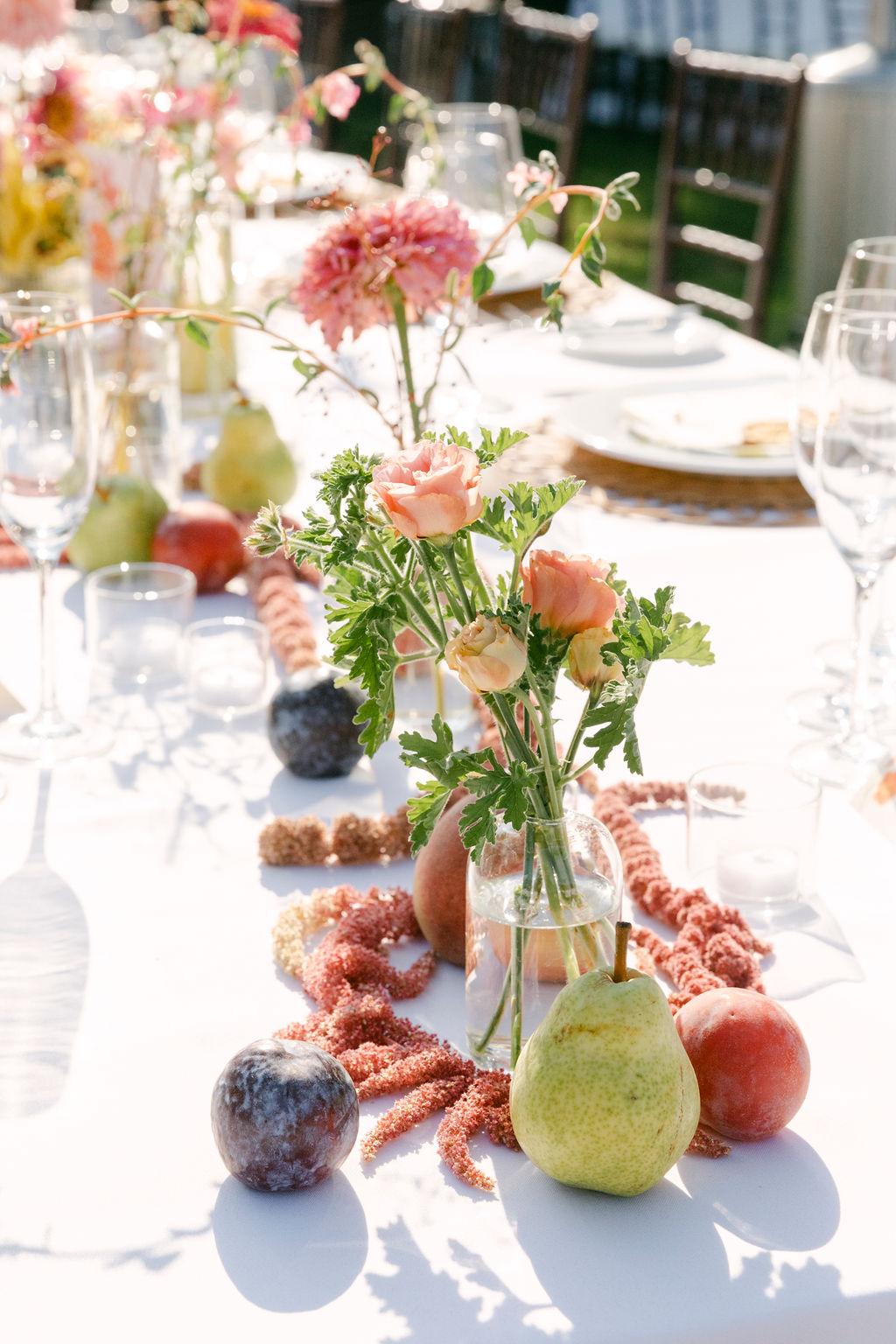
Sustainability is front and center. Eco-friendly weddings gained momentum with late millennials, but Gen Z is taking it to the next level. Many young couples are actively seeking ways to reduce waste and support ethical businesses in their nuptials. The numbers tell the story: use of pre-owned or “pre-loved” wedding attire has more than doubled among Gen Z (from 7% up to 16% in recent years) as they embrace thrifted or vintage gowns and suits over brand-new ones. Likewise, demand for ethical, conflict-free jewelry is rising (up to 14% from single digits). Gen Z doesn’t see these choices as sacrifices, but as meaningful enhancements. It's a way to make their day more personal and principled.
Moreover, Gen Z couples show a notable preference for supporting local and small businesses. Over a quarter (27%) actively seek out small, independent vendors when selecting wedding suppliers. They love the personal touch, unique offerings, and ethical practices often found in independent caterers, boutique photographers, or artisan florists. It’s a win-win: the couple gets a one-of-a-kind, authentic experience and feels good about where their money is going, while small businesses get the boost. If you’re a boutique vendor, don’t be shy about the things that make you small but mighty, whether it’s your farm-to-table ingredients or the fact that you’re family-owned. Gen Z will find that compelling, not a compromise.
Inclusion and authenticity are equally non-negotiable. This is a generation that expects to see the world’s diversity reflected in the wedding industry. They notice if a vendor’s portfolio or Instagram feed only shows one type of couple. Gen Z clients want to see themselves and their values represented. They appreciate vendors who naturally showcase diverse couples: of different races, body types, LGBTQIA+ orientations, and abilities in their marketing. And it’s not just about images: language matters. Simply using the word “couple” instead of assuming “bride and groom” in your brochures or contracts signals a more inclusive, modern approach. These details might seem small, but for Gen Z they speak volumes. They’re looking for vendors who celebrate love in all its forms and who are mindful of creating an inclusive environment for their wedding.
To appeal to Gen Z’s values, make your commitments visible. If you have sustainable practices (like donating leftover food or using recycled paper goods) or inclusive policies (such as training staff on cultural sensitivity), highlight them. Showcase real weddings you’ve done that feature diverse clients or eco-friendly elements. Gen Z couples are doing their research; they will connect with vendors whose brand ethos aligns with building a more sustainable, inclusive world. On the flip side, a perceived lack of values or any whiff of inauthentic “virtue signaling” can turn them away. Be genuine: embody the values you advertise. Remember, this generation can sense inauthenticity instantly; they want vendors who actually walk the talk.
Smaller Guest Lists, Different Budget Priorities
Weddings may always be expensive, but Gen Z is reimagining how to spend that budget, and even how big the wedding needs to be. Having watched millennials orchestrate epic 200-guest galas (and perhaps noticing the stress and cost that came with them), many Gen Z couples are choosing a scaled-down, more intentional path. Enter the era of the micro-wedding and shifting budget priorities.
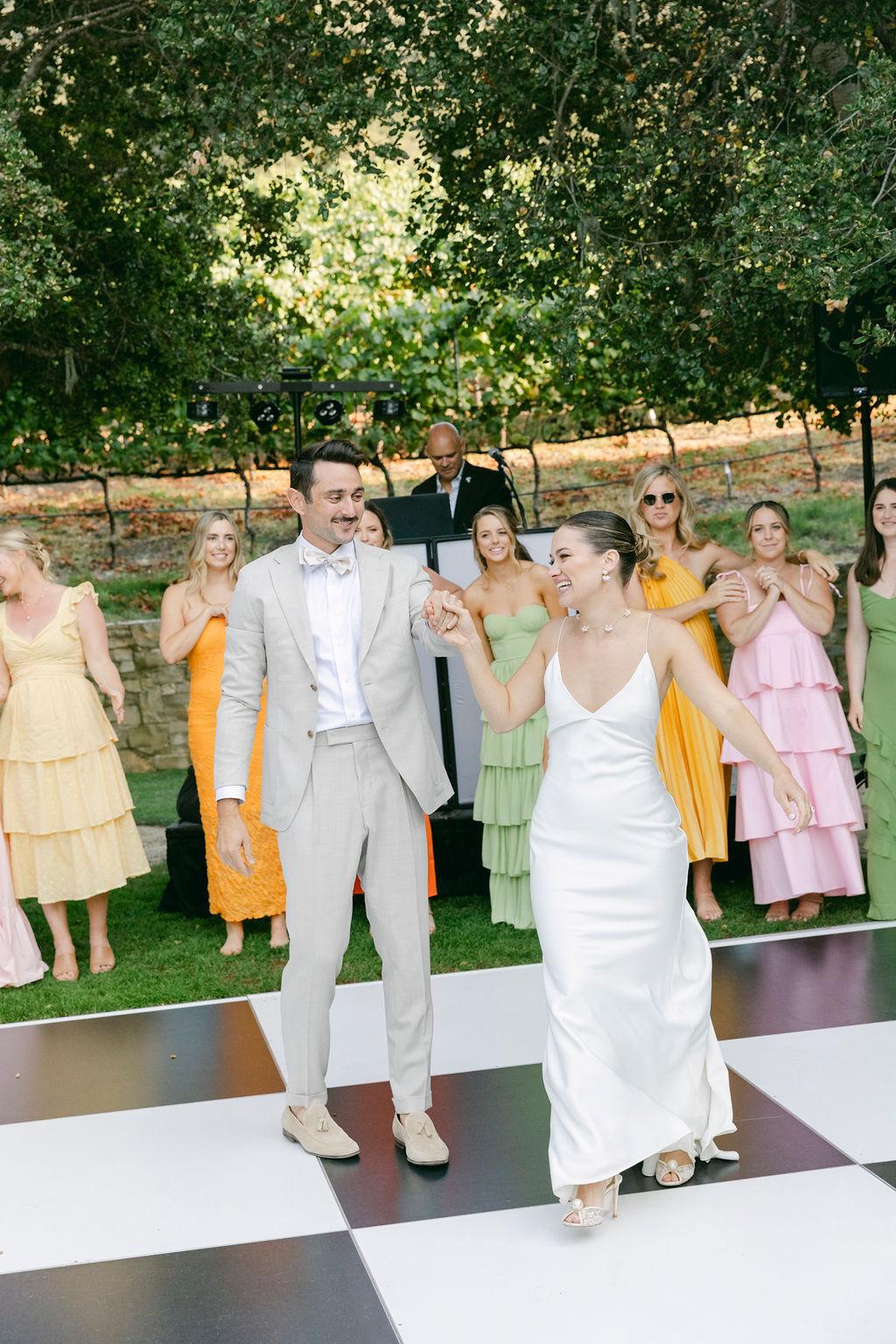
Small is trending. More than two-thirds of Gen Z and millennial respondents say they’ve noticed the rise of intimate “micro weddings” with around 50 or fewer guests. And a significant number are not just noticing – they’re planning one themselves. About 22% of Gen Z couples (and 20% of millennials) are currently planning a micro-wedding for their own big day. The appeal is clear: a smaller guest list can mean a more meaningful, relaxed atmosphere and, often, cost savings. In fact, among those who chose to have a tiny wedding, Gen Z was about 10% more likely than millennials to do so specifically so they could afford a more luxurious honeymoon in lieu of a massive reception. This reflects a broader mindset shift; many young couples would rather reallocate funds to experiences (like an unforgettable honeymoon or even a down payment on a home) than blow it all on one big party.
That doesn’t mean every Gen Z wedding is frugal or modest; it means spending is more intentional. They will splurge on what they personally care about, and ruthlessly cut what they don’t. As one wedding planner noted:
“It’s not about spending more or less, it’s about spending differently.”
A Gen Z pair might go all-in on a custom neon sign, a phenomenal content creator to capture TikTok clips, or a gourmet donut bar (things that reflect their personality), but then happily skip traditional favor bags or expensive paper invitations without blinking. They’re crafting budgets in a value-driven way: prioritizing what brings them (and their friends) joy and trimming the rest.
Interestingly, while Gen Z is careful with money, some evidence shows they can still get caught in the romance of overspending. In a recent survey, almost a quarter of Gen Z couples admitted they spent far beyond their means on their wedding, whereas only 15% of millennials said the same. Chalk it up to the challenges of budgeting in an era of Pinterest-perfect inspiration and high costs of living; even thrifty-minded Gen Z can feel pressure to splurge to get their dream day. It’s worth noting too that more Gen Z couples are footing the bill themselves (or at least a big chunk of it) compared to previous generations. About one-third of Gen Z newlyweds report paying for their wedding entirely on their own, and another 40% are splitting costs with family, with fewer weddings fully funded by parents. Carrying more of the financial responsibility likely makes them hyper-aware of value. They’re looking for vendors who respect their budget, are transparent about costs, and can suggest creative ways to get the most impact for their dollar.
For vendors, the takeaways are clear: be ready to serve smaller, more intimate events and emphasize value in your offerings. If you can create a package for a 50-person weekday wedding or have ideas on how to transform a backyard into something magical on a budget, highlight that. Guide them on budget trade-offs; for example, if you’re a florist and the couple is cost-conscious, propose reusing ceremony arrangements at the reception or opting for in-season blooms to save money. Showing that you’re on their side in maximizing their budget (rather than simply up-selling) builds trust with Gen Z clients. And if you cater to high-end weddings, don’t fret; plenty of Gen Z couples will spend big, but even luxury-minded Zoomers want to spend purposefully. Make sure you can articulate the experience and value behind your price tag. Tell them how your photography package includes a next-day sneak-peek slideshow for social sharing, or how your couture cake will be a delicious centerpiece that doubles as decor. If they understand what they’re getting and why it matters, they’re more willing to invest.
Lastly, be mindful of the ripple effects of Gen Z’s smaller-is-better trend. A more intimate guest list can change certain vendor needs (fewer rentals, smaller venue, maybe fewer table centerpieces). Some vendors are finding ways to adapt; for instance, DJs offering scaled-down setups for micro-weddings, or caterers providing gourmet family-style dinners instead of massive buffets. Flexibility is the name of the game. By being adaptable to different scales and genuinely enthusiastic about any size celebration, you show Gen Z clients that you’re there to bring their vision to life, not just push a one-size-fits-all package.

Authenticity Over Perfection
If there’s one thing that truly sets Gen Z couples apart, it’s their quest for authenticity. These clients want their wedding to feel real, honest, and true to who they are, and they seek the same authenticity in the vendors they hire. Millennials certainly valued personalization too, but they came of age amid highly curated social media expectations (hello, perfectly filtered Instagram feeds and clever wedding hashtags). Gen Z is pushing back on that ethos. The vibe they’re after is more unfiltered, less posey, yet still utterly shareable in its realness. As one planner described, millennial brides often felt pressure to achieve a Pinterest-perfect aesthetic, whereas Gen Z’s “flex” is having a wedding that was a blast and looked effortlessly cool while doing it.
What does this mean in practice? For photography and videography, we’ve seen a shift from the dreamy, staged editorial style that dominated millennial weddings to a more candid, documentary style favored by Gen Z. Gen Z clients want the real moments: the happy tears, the goofy dance-offs, the wind messing up the bride’s hair, captured as they happened, not just the perfectly posed portraits. They even appreciate a bit of messiness in the visual record, because it feels authentic. (It’s no coincidence that direct flash photography, film cameras, and TikTok montages are trending for weddings now; they have a raw, nostalgic look that Gen Z loves.) As a vendor, consider leaning into this trend by highlighting your ability to capture genuine moments or by sharing less polished, behind-the-scenes snippets of your work. It’s the age of the photo “dump” and candid clips set to music; show that you can deliver that vibe if it suits your couple.
Most importantly, Gen Z couples choose vendors not just for what they do, but who they are. They “choose people, not packages”. This generation is drawn to vendors who are personable, relatable, and passionate about their craft. They want to know the person behind the business: your story, your personality, your why. Don’t be afraid to let your individuality and values shine through in your brand. Maybe that means you infuse humor into your communications, or you’re open about why inclusivity matters to you, or you share the occasional vlog from your day in the life as a planner. These glimpses of authenticity help Gen Z couples feel a connection with you. They’re likely scrolling through dozens of photographer portfolios or DJ websites that start to blur together; if yours also shows your human side: the fact that you’re a cat mom, or that you got into baking because of your grandma’s recipes... that could be the spark that resonates with them.
Keep in mind, authenticity also means honesty. Gen Z will appreciate vendors who set realistic expectations and keep it real. If something is not feasible within their budget or timeline, say so (tactfully) and propose alternatives. If a trend they show you isn’t going to work for some reason, they’d rather hear the truth than end up disappointed. The days of overpromising just to close the sale are fading. This generation prefers an honest partner over a slick salesperson.
Bottom line: To appeal to Gen Z wedding clients, be real. Lean into what makes you you as a vendor, and don’t be afraid to break the formality where appropriate. This doesn’t mean being unprofessional, it means building a genuine rapport. Gen Z couples often report that they want to feel like their vendors are friends or guests at their wedding, not just hired help. They’re looking for that human connection. If you can foster that kind of comfortable, authentic relationship (while still delivering excellent service, of course), you won’t just have happy clients, you’ll likely have lifelong fans who refer you enthusiastically.
Conclusion: Embrace the Gen Z Mindset
The emergence of Gen Z in the wedding market is an exciting turning point. Yes, they do things differently than millennials; they are more digitally savvy, more value-conscious, and more likely to buck tradition. But at the heart of it, both generations ultimately want what every couple wants: a joyful, memorable celebration of their love, in a way that feels right to them.
For wedding vendors, staying relevant means evolving with your clients’ needs. The best part is that many of Gen Z’s priorities (authenticity, inclusivity, creativity, mindfulness) can lead to incredibly meaningful events and rewarding vendor-client relationships. By understanding what makes Gen Z couples tick and adjusting how you market, communicate, and deliver your services, you’re not just keeping up with a trend; you’re elevating the experience for all your clients.
In practical terms, that might mean responding faster, showing up on TikTok, tweaking your packages, or sharing your values more openly. It means seeing yourself not just as a vendor in a transaction, but as a collaborator in their story. And if you do it right, Gen Z will notice. They’re poised to dominate the wedding industry in the coming years, and they’ll be bringing their friends (and eventually, their younger Gen Alpha siblings!).
In the end, appealing to Gen Z is not about tossing out everything you know, it’s about layering in a fresh perspective. Keep the reliability and expertise you’ve honed with millennial clients, but add the Gen Z emphasis on fast communication, digital fluency, personalization, values, and authenticity. Do that, and you’ll not only win Gen Z business, you’ll likely find your work more innovative and fulfilling than ever. After all, this generation is inviting the wedding industry to be more real, more creative, and more conscious. That’s a pretty perspective we can all get behind.