How Spoonflower Is Bringing Custom Fabric and Wallpaper to the Wedding Market
The brand's Director of Sales and Growth Marketing explains why the move into weddings was a no-brainer.

Most vendors in the wedding space work within limits. Minimums on linens. Stock patterns on fabric. Months-long lead times on anything truly custom. Spoonflower built a business around doing the opposite, and until recently, that business was pointed squarely at interior designers and homeowners.
Then came weddings. Not as a pivot, but as a natural extension of everything the brand had already proven it could do. Caroline Walker, Senior Director of Sales and Growth Marketing at Spoonflower, joined the company five years ago to build out its trade program. What she found along the way was that the demand for customization did not stop at the front door.
The signal was already there in their marketing data, in their customer service conversations, in the designers showing up asking for things that were not quite wedding and not quite residential. By February of this year, Spoonflower had launched a dedicated event design program, and the early returns have been exactly what Walker expected.
The Market Gap Nobody Was Filling
When Walker started paying attention to the wedding industry, one thing stood out immediately: the lack of options for couples and planners who wanted something genuinely custom. Not custom in the "we have twelve colorways" sense. Actually custom, as in designed for you, printed to your specifications, with no floor on how much you need to order.
Spoonflower's print-on-demand model flips that entirely. You can tweak the colorway, adjust the scale, change individual elements of a design, or upload something original. And if you only need ten yards of it, that's fine. It's the kind of flexibility the wedding market has never really been able to offer, which is exactly why Walker saw an opening.
"The market doesn't allow for a lot of customization. You have to go really big. There's a lot of large quantities and minimums that are required to have something unique and special to you."
From Trade Program to "I Do"
Spoonflower did not stumble into weddings. Walker was brought on specifically to build the company's trade program, which serves commercial and residential interior designers. That business grew steadily, well beyond initial financial projections, and it gave the team a clear framework for thinking about other industries that rely heavily on custom materials.
Event design was the obvious next step. The DNA was already there: high-quality on-demand printing, a global artist marketplace, no minimums, and a domestic manufacturing footprint in South Carolina and Arizona. The demand signal had been coming through their marketing channels for a while. Walker's team just finally had the infrastructure to act on it.
"It felt like this natural dovetail of what we do today with many properties and buildings, now for weddings as well as events."
Where People Actually Start
For couples and planners who know they want something custom but don't know where to begin, Spoonflower built three on-ramps into the catalog.
The first is reverse image search. Upload a picture you love from anywhere. A Pinterest save, a photo from a venue tour, a tile pattern from a restaurant. Spoonflower surfaces prints from its marketplace that match the palette and visual feel. The real use case is translation. You bring the inspiration, the tool finds the printable version of it.
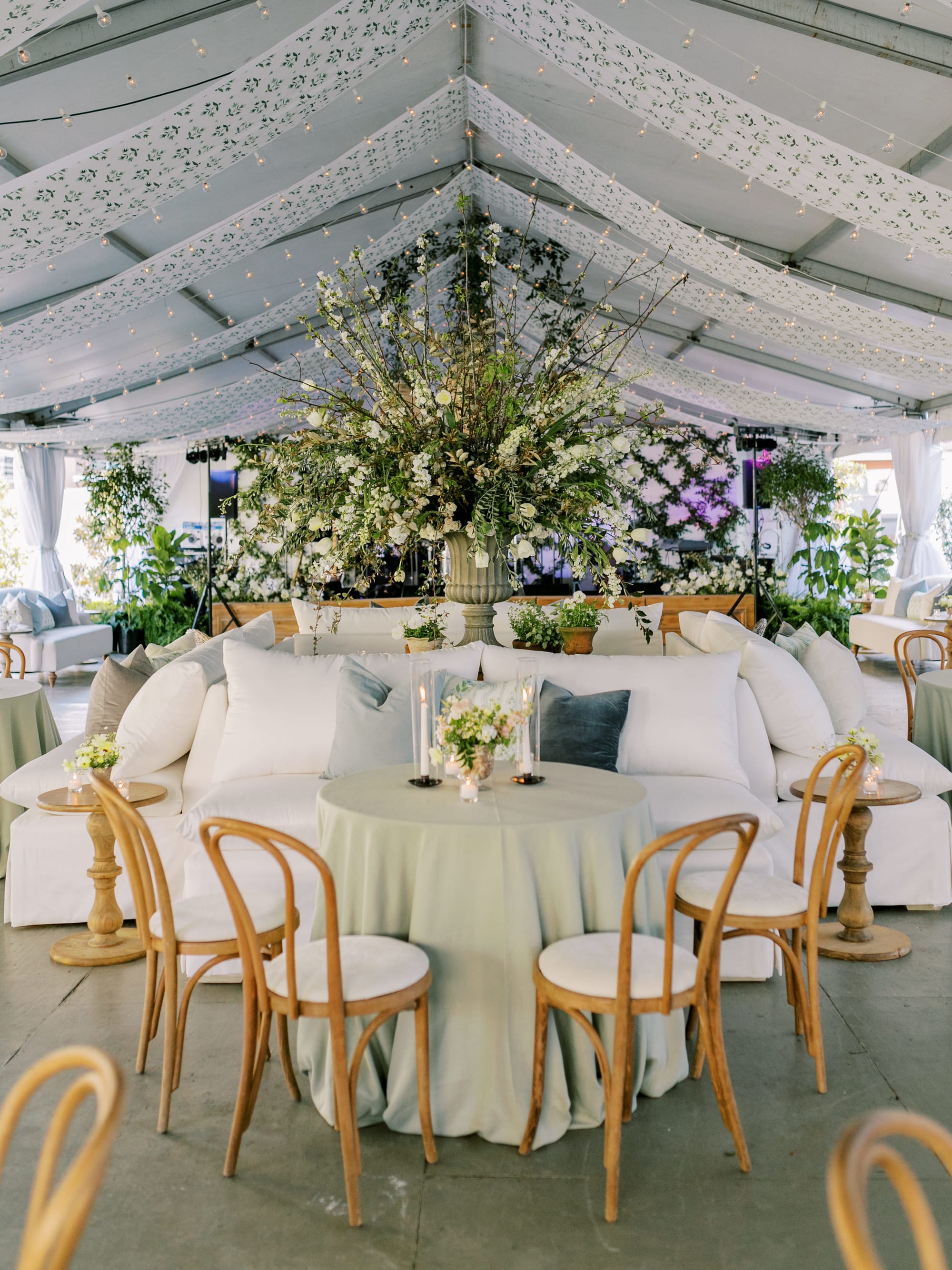
The second is the artist marketplace itself. Every pattern on Spoonflower comes from an independent designer with their own storefront. Walker points to a few who have built deep bodies of work that translate beautifully to events: Danika Herrick out of Massachusetts and Whitney English out of Oklahoma. Their prints move fluidly across fabric, tenting, wallpaper, and home decor, which is exactly what elevated weddings need when a motif has to carry through the whole celebration.
The third is curated collections, built in-house by Spoonflower's team to surface what's trending and what fits seasonal moods. And for planners who find a print they love but want something slightly different, the artists themselves are often open to collaborating on a custom variation.
"We seem to have a corner of a market that not a lot of brands are able to truly deliver on."
Want to join the Style Me Pretty vendor directory for just $99, or ready for the Little Black Book premium membership?
Finding the Right Planners in the Right Places
Walker's team is intentional about where they go looking for their audience. Direct mail is a surprisingly heavy part of the mix. They send planners and designers beautifully produced invitations that showcase real installations, walk through the business program, and outline the perks: exclusive pricing, sampling, and full customization.
It sounds old-school for a company that lives on dot com, and that's the point. In an industry where the inbox is full and the feed is chaotic, a physical piece of mail that looks like an actual wedding invitation tends to get opened.
Beyond that, Walker leans on affiliate partners and industry word of mouth, which is where Cara, Spoonflower's affiliate program lead, comes in. Social channels play a different role. Platforms like Pinterest are where design-forward customers live, so Walker uses social to build aspiration, surface inspiration, and introduce Spoonflower to homeowners and planners who have never heard of them.
"You'll find a lot more design-forward customers [on Pinterest]. Interior designers, wedding planners, maybe even brides. We're leveraging those channels to drive aspiration, inspiration, and introduce our brand to those that may not know very much about us."
The Underrated Tool Is Still People
When asked about the most underrated growth tool, Walker doesn't cite a platform or a tactic. She goes back to sales reps and one-on-one conversations.
The reasoning is practical. In a category defined by taste and trust, the only way to understand why a customer is hesitating, what they actually need, and what makes Spoonflower different for them is to sit across from them and talk about it. That information drives product decisions, marketing decisions, and eventually the assets her team sends out.
"There's a lot of noise on the Internet. You have to really cut through that and make a clear decision on who you would prospect to and most importantly, how you would put your arms around them."
Where AI Fits
Spoonflower is using AI, and Walker is clear-eyed about where it adds value and where it doesn't. The discovery phase is where technology does the heavy lifting. Reverse image search, personalized recommendations, and a first-visit design quiz help narrow an infinite catalog into something a customer can actually act on.
She tells a story from a recent off-site with Spoonflower's CEO, who leads the broader Shutterfly portfolio of brands. The CEO had a blue-and-white seashell print in mind that her high schooler had fallen in love with, and hadn't realized Spoonflower's tool could do what it does. Walker uploaded the image and within seconds had a full collection of similar prints pulled straight from the marketplace.
That's the value proposition in a nutshell. AI narrows the field. Humans decide what resonates. For weddings in particular, where personal meaning drives every decision, Walker sees the human layer as permanent.
"There will always be a human element on what makes your heart skip a beat when you see something, and this is true for how beauty is defined by different types of couples and various end clients."
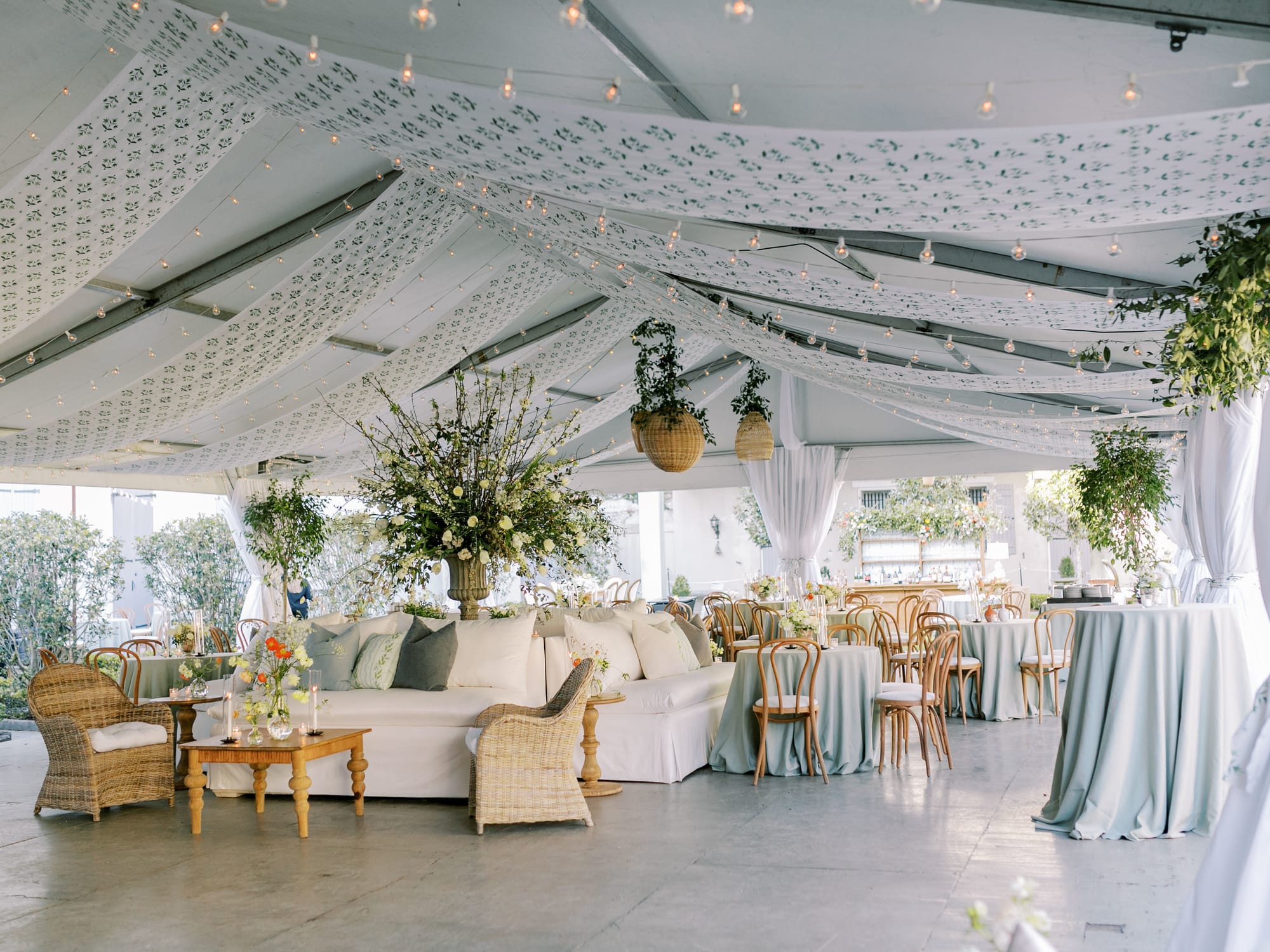
What Spoonflower Wants Vendors to Know
Walker's pitch to wedding vendors is straightforward. Spoonflower can deliver exactly what a planner or couple is looking for, at the highest production quality, in a matter of business days. The fabric, wallpaper, and decor ship from domestic facilities in South Carolina and Arizona. No minimums. No months of lead time.
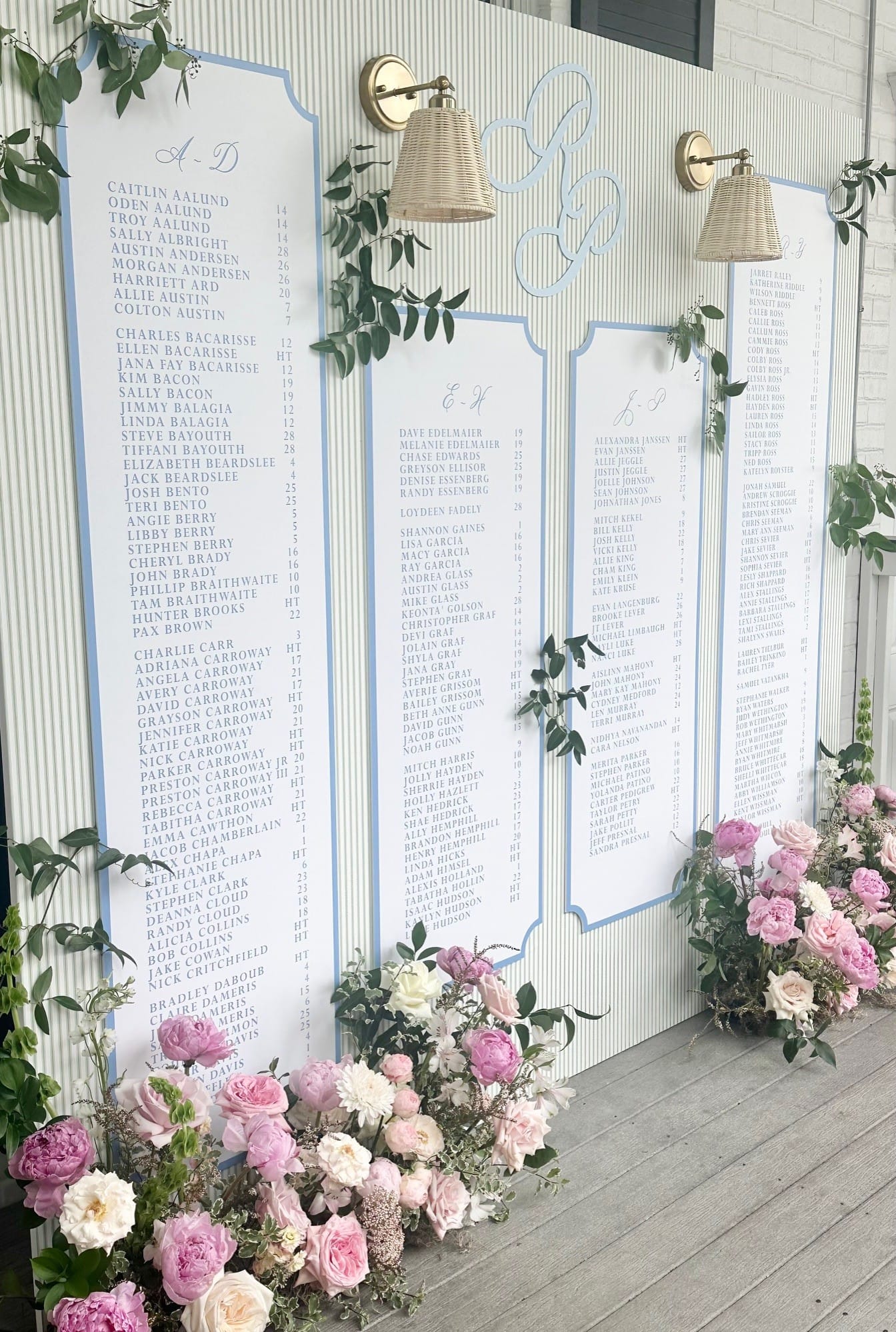
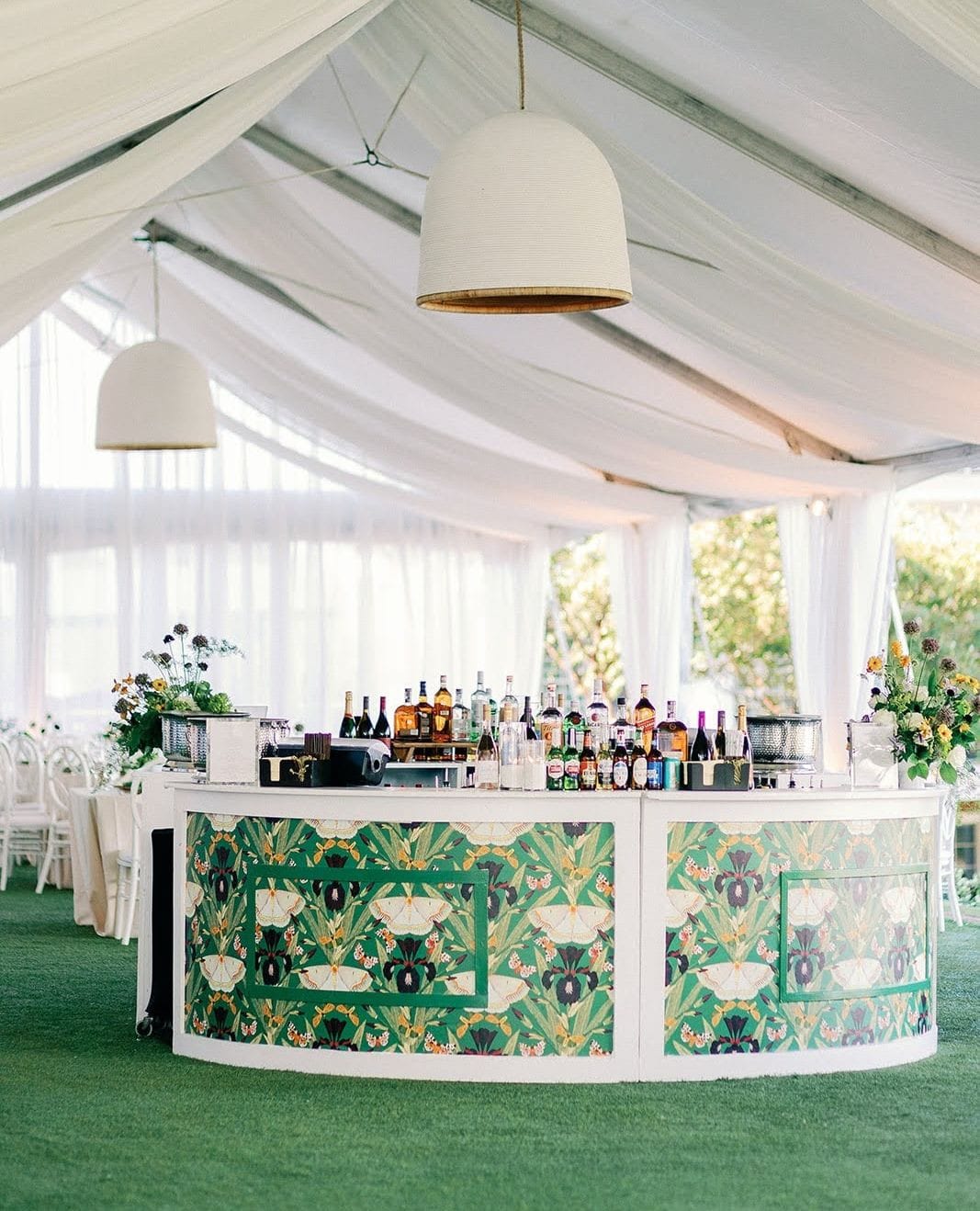
Cara added one more piece of advice for planners: get creative with wallpaper as an event element. Spoonflower's profile features a range of end uses from planners who have treated wallpaper as more than a backdrop, and it's one of the most flexible ways to make a celebration space feel unique.
"We can get you exactly what you're looking for in a matter of days, with the highest quality production, manufacturing, and printing."
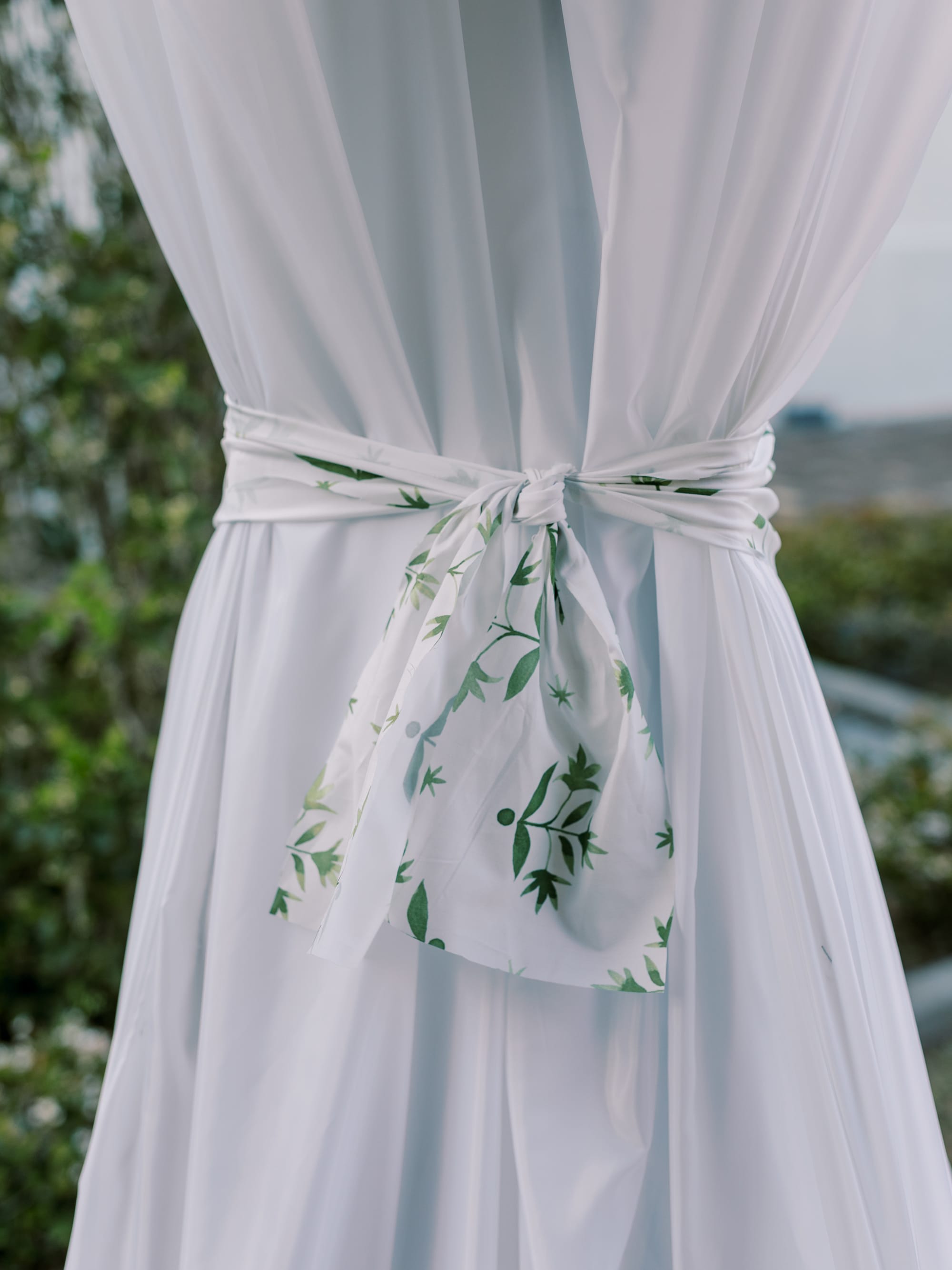
Why Style Me Pretty
Walker has been aware of StyleMePretty since well before Spoonflower entered the wedding space. She got married thirteen years ago, when StyleMePretty was already a household name in the industry. What made becoming a Little Black Book member worth it was the audience overlap. StyleMePretty's readers are typically working with planners and professionals who can actually bring Spoonflower's product to life, which means the brand can reach both the planner and the couple through a single trusted channel.
For a company that's still new to weddings, that kind of introduction matters. Customization at this level isn't a category people stumble into. They have to be told it's possible, shown what it looks like, and pointed to the people who can execute on it. Spoonflower's bet is that the wedding industry has been waiting for the option longer than it realized.
Additional Credits:
Photos 1, 3, 7, and 8: Photography @greergattuso | Planner @elysejenningsweddings | Ceremony Venue @maisondupuy | Reception Venue @oldursulineconvent | Florist @theia_flowers | Lighting, Drape Installation, Tables, Stage @perrierpartyrentals | Bars, Chairs, Sofas, Wood Tables @distressedrentals | Custom Fabric @danikaherrick 12441342 and 12719063
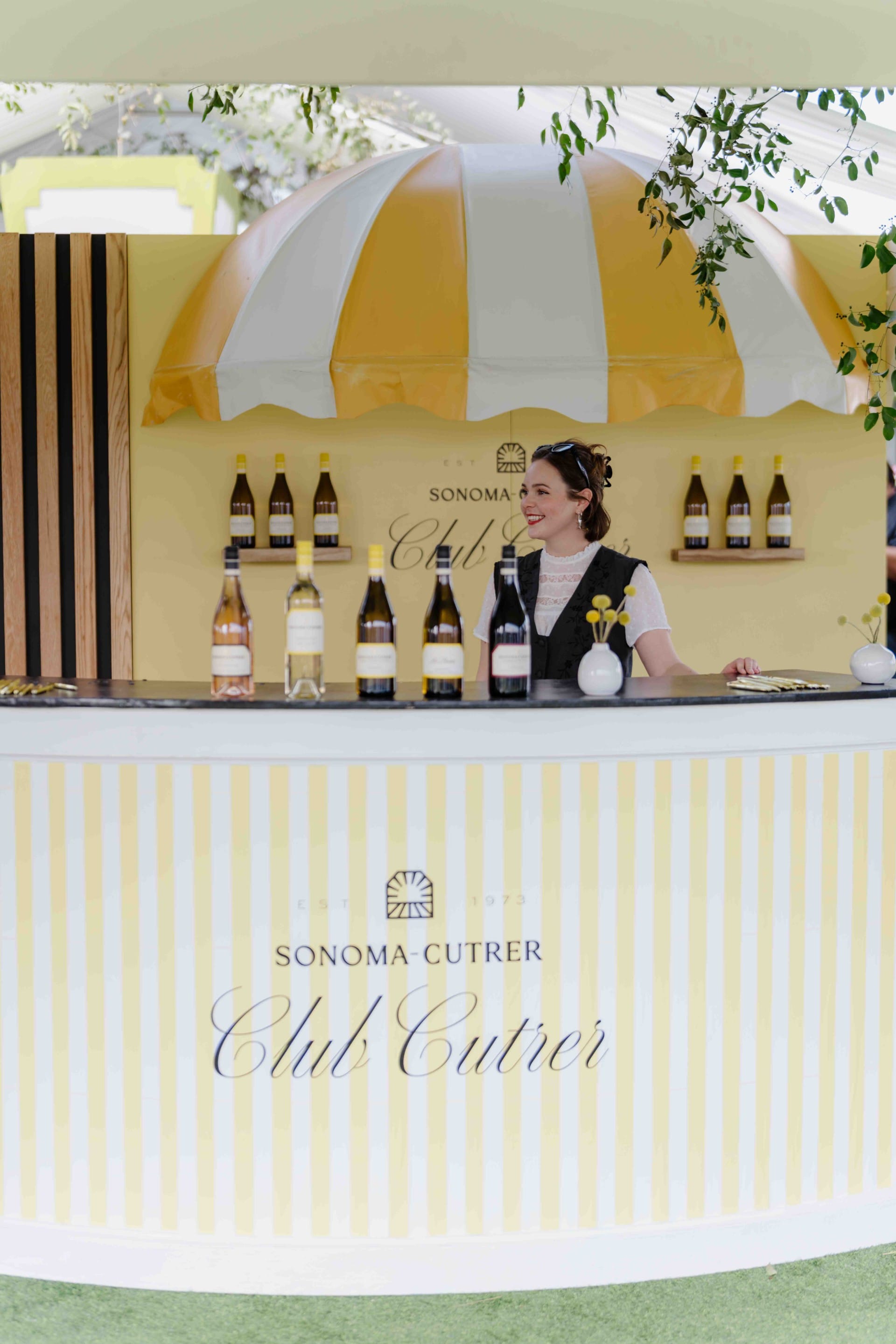
Photos 2 and 6: Photography: Mia Melin | Production Design: Intrigue Design & Events | chswf.org
Photo 5: Photography: Justin Hankins| Event Design: Curated Events, Chesapeake, VA