How to Write a Submission Editors Can Publish
Great photos get our attention. Here is what our editors need your words to do.

A submission arrives with a hundred and twenty photographs of a wedding that clearly took a year to plan. The gallery is gorgeous. Then the written portion loads, and one prompt reads, in its entirety, "pinks and greens," and another is six Instagram handles and nothing else.
The photographs are publishable. The feature is not, because nothing in the file explains what anyone is looking at. Beautiful imagery gets an editor's attention, and the words are what let a reader stay inside the day. The copy you submit is often published directly to the blog, so it carries the same weight the gallery does.1
What follows is the Style Me Pretty editorial team's own guidance on the written half of a submission, and what each rule is actually protecting.

The prompts are the feature itself, broken into the order an editor has to assemble it in. Answering them properly is the cheapest thing you can do to improve the result.
1. Read Every Prompt Before You Write Anything
Every question on the form is there for a reason. If a required field is incomplete or filled in incorrectly, the submission cannot move forward to publishing.1 That is a hard stop, and it lands before anyone has weighed the wedding on its merits.
The prompts are also sequenced. Read start to finish before you answer anything, and you will see where the day's story is meant to build, which details belong in which answer, and which prompt is the right home for the thing you most want to say. Answer them cold, one at a time, and you end up repeating yourself in three places and leaving a fourth empty.
The guidelines are blunt about what incomplete work costs you. When the team has to chase down missing information, the submission goes on the back burner until someone has time to devote to it.2 Nobody rejects it. It just waits.
Practical step: Read all of the prompts before you fill in the first one, then answer them in order.
2. Answer in Complete Sentences
Write in full sentences and skip one-word responses. The editorial team is looking for at least two to three thoughtful sentences per prompt. The one exception is colors, which can simply be listed.1
A one-word answer does not save anyone time. It moves the work onto an editor who was not at the wedding, and who now has to either guess at what you meant or cut the point altogether. "Pinks and greens" under an inspiration prompt tells them the palette they could already see. Three sentences about why the couple landed on that palette gives them a paragraph they can publish.
Here is the same prompt answered both ways, on a question about the couple's inspiration. The examples throughout this piece are illustrative rather than quotations from any particular submission.
Before: Tropical.
After: They had been coming to this stretch of coast since their first trip together, and they wanted the day to feel like the landscape rather than like a ballroom that happened to have a view of it. Everything grew out of what was already blooming on the property, in the brightest version of it they could find. The rule they gave us was that nothing should look like it had been flown in.
The first version is accurate. The second is a paragraph an editor can publish, and it is roughly a minute of work.
When you take the time to tell the full story, it shows in the finished feature.
Practical step: Count the sentences in each answer. Anything under two, other than colors, needs another pass.
3. Share the Why Behind the Choices
A response is not a list of vendor Instagram handles. Handles credit people, and crediting matters enormously, but a handle explains nothing about the wedding. Substance is the reasoning behind a decision: why that ceremony site, why that flower, why the dinner ran long on purpose.
Credit has its own place in the process, and it is unforgiving about timing. Style Me Pretty requires a photography credit to consider a wedding at all, and vendors who are not credited up front cannot be added later.2 So list every vendor, in the fields built for it, and then use the written prompts for the story those vendors made.
The difference shows up immediately on a florals prompt.
Before: @thefloralstudio @therentalco
After: The couple wanted the arrangements to read as a garden rather than as centerpieces, so we built low and wide and let the palette run warm, with coral and mango against the greenery already on the lawn. The orchids were the one deliberate splurge, because the bride's mother grew them at home.
Both credit the florist. Only one of them gives a reader a reason to care about the photograph they are looking at.
The why is the part no one else can supply.
Practical step: Read each answer and ask whether it explains a decision or only names who executed it.
Want to join the Style Me Pretty vendor directory for just $99?
4. Use the Prompts You Were Given, and Answer Each One Once
Two habits undo an otherwise strong submission. The first is writing your own prompts in place of the ones provided. The supplied questions are designed to pull out the full story, and a substituted question usually pulls out a shorter one.1
The second is pasting the same response across several prompts. Each question is built to surface a different aspect of the day: the inspiration, the meaningful traditions, the unexpected details, the personal touches.1 Repeat one answer across all four and you have answered one question and skipped three.
This is where the most valuable material tends to hide. The most compelling parts of a wedding are often the parts that are not visible in the photographs at all, like the grandmother's fabric sewn into a lining, or the reason the ceremony started at that hour.
A traditions prompt is where the copied answer usually gets caught.
Before: The whole weekend was inspired by the coast and full of garden florals.
After: The ceremony opened with a reading in the bride's grandmother's first language, and the couple signed the same marriage contract her parents had signed, which her father had kept framed above his desk for thirty years.
The first answer is the inspiration answer again, moved down the page. The second is the only place in the entire submission where that tradition could have been recorded.
Practical step: Read your answers back to back and look for any two that could swap places without anyone noticing.
5. Write Like It Will Be Published, Because It Often Is
The submission field is not a private note to an editor. The copy you write is frequently published to the blog close to as-written, so the working rule is simple: if you would not want it published, do not write it.1
This matters most when you reference other vendors on the team. A frustration that felt reasonable to vent while filling in a form reads very differently under a photograph with that vendor's name beside it. Be thoughtful and professional about fellow vendors, every time, including the ones the day did not go smoothly with.
Before: The cake was a mess and the bakery showed up two hours late, but we made it work.
After: The cake was finished on site that afternoon, with the fresh orchids added once the flowers arrived.
The second version is true, useful to a reader, and does not end a working relationship. The first version publishes a bakery's worst day under its own name.
The same care applies to anything private the couple shared with you. If you are not certain they would want it public, ask them before it goes in the form.
Practical step: Reread every sentence that names another vendor and confirm you would be comfortable with them reading it.
6. When You Are Not Sure, Put It In
If you are unsure whether a detail belongs, include it. Editing down is easy and happens on every feature. The team can refine and condense your answers during the editorial process.1
What they cannot do is invent the backstory or recreate the emotional nuance behind a choice. That information exists in exactly one place, which is with the people who were there. Once the submission is filed without it, it is gone from the feature for good.
The guidelines put the same idea plainly, asking submitters to dig deep and find the coolness in a wedding: the couple's professions, their family background, the collaboration that made a detail possible.2 The more thoughtful and complete your responses are, the stronger your feature will be.
Practical step: Before you submit, add back the one detail you almost cut for being too small.
The Bigger Picture
A gallery and a written submission do two different jobs. The photographs earn the second look. The writing is what an editor actually builds the published feature out of, and it is the only part of the file that can carry intent, context and the reasons behind what the camera captured.
Treated as a formality, the written portion becomes the bottleneck that holds up work that deserved to run. Treated as part of the craft, it is a genuine advantage, because most submissions still arrive with one-word answers and a row of handles. Complete sentences and an honest why put you ahead of that field immediately.
Clear, thoughtful writing strengthens every submission and every feature that comes out of one.
Sources
- The Scoop: writing, published by the Style Me Pretty Little Black Book on Instagram, February 24, 2026. The ten-slide carousel is the Style Me Pretty editorial team's own guidance on the written portion of a submission, and the source for the prompt rules, sentence minimums and publishing note described here.
- Style Me Pretty submission guidelines, the live requirements page every submission is measured against, and the source for the crediting requirement, the incomplete-submission note and the request for deeper background. View the guidelines
Credits
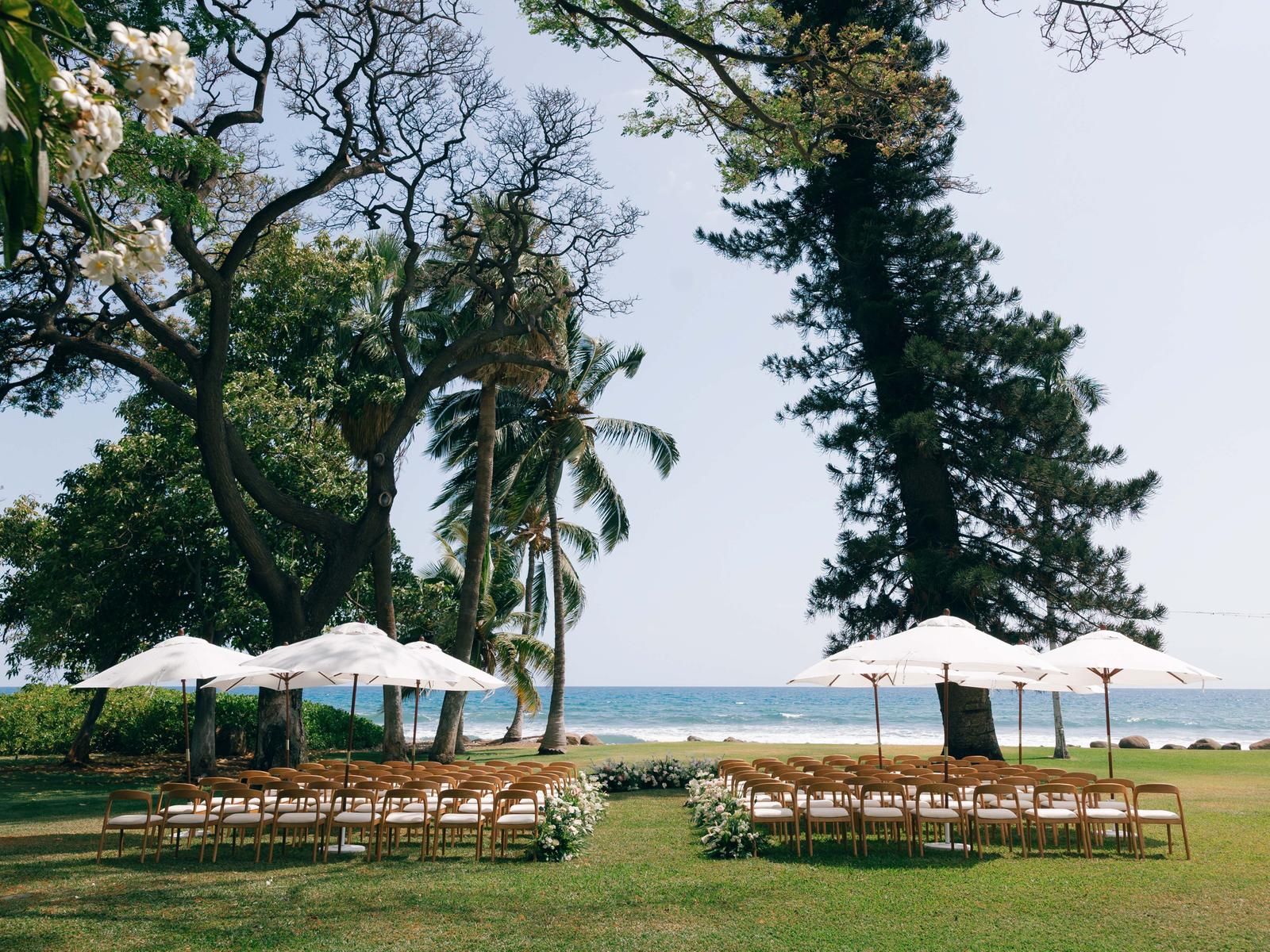
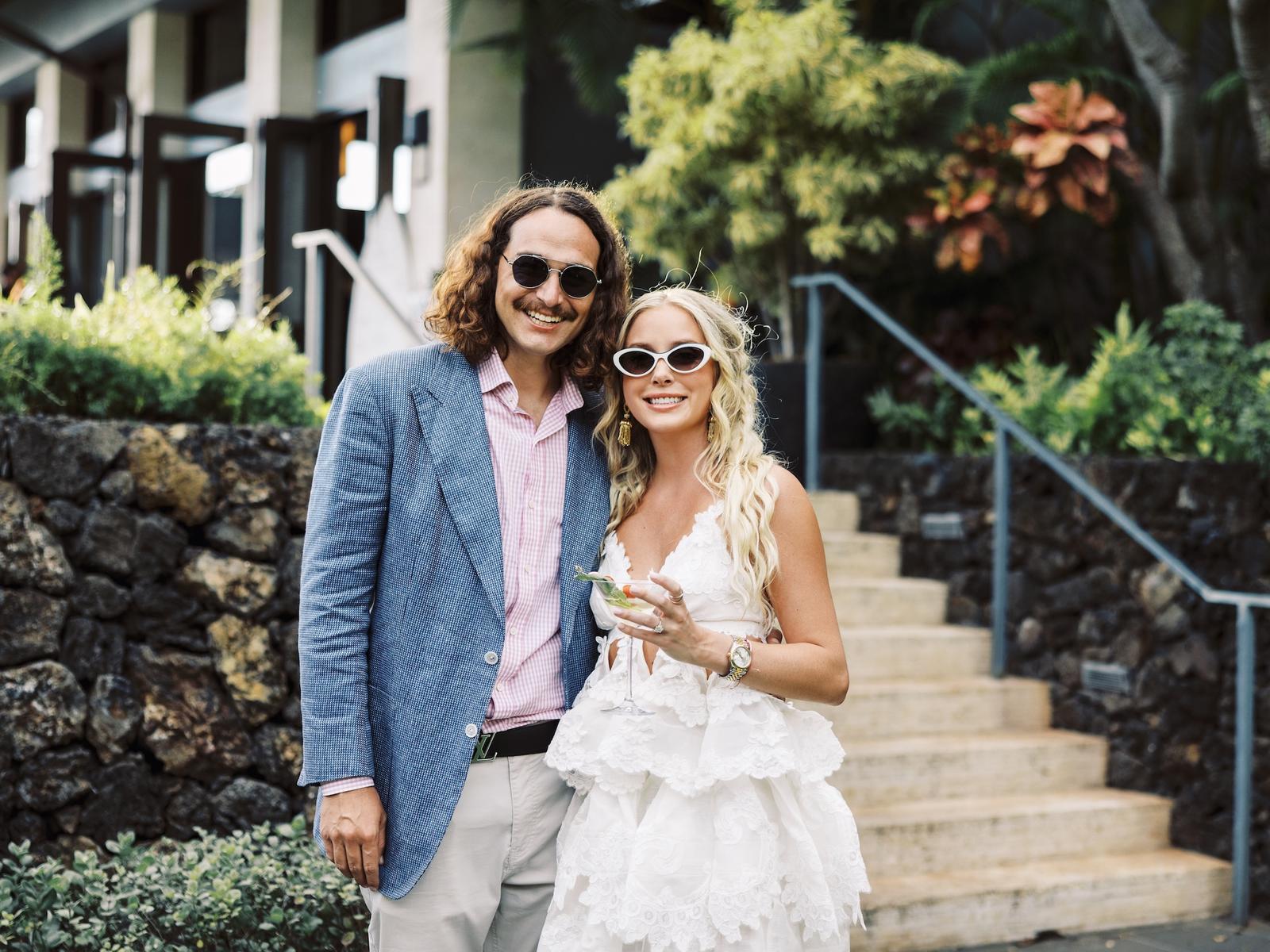
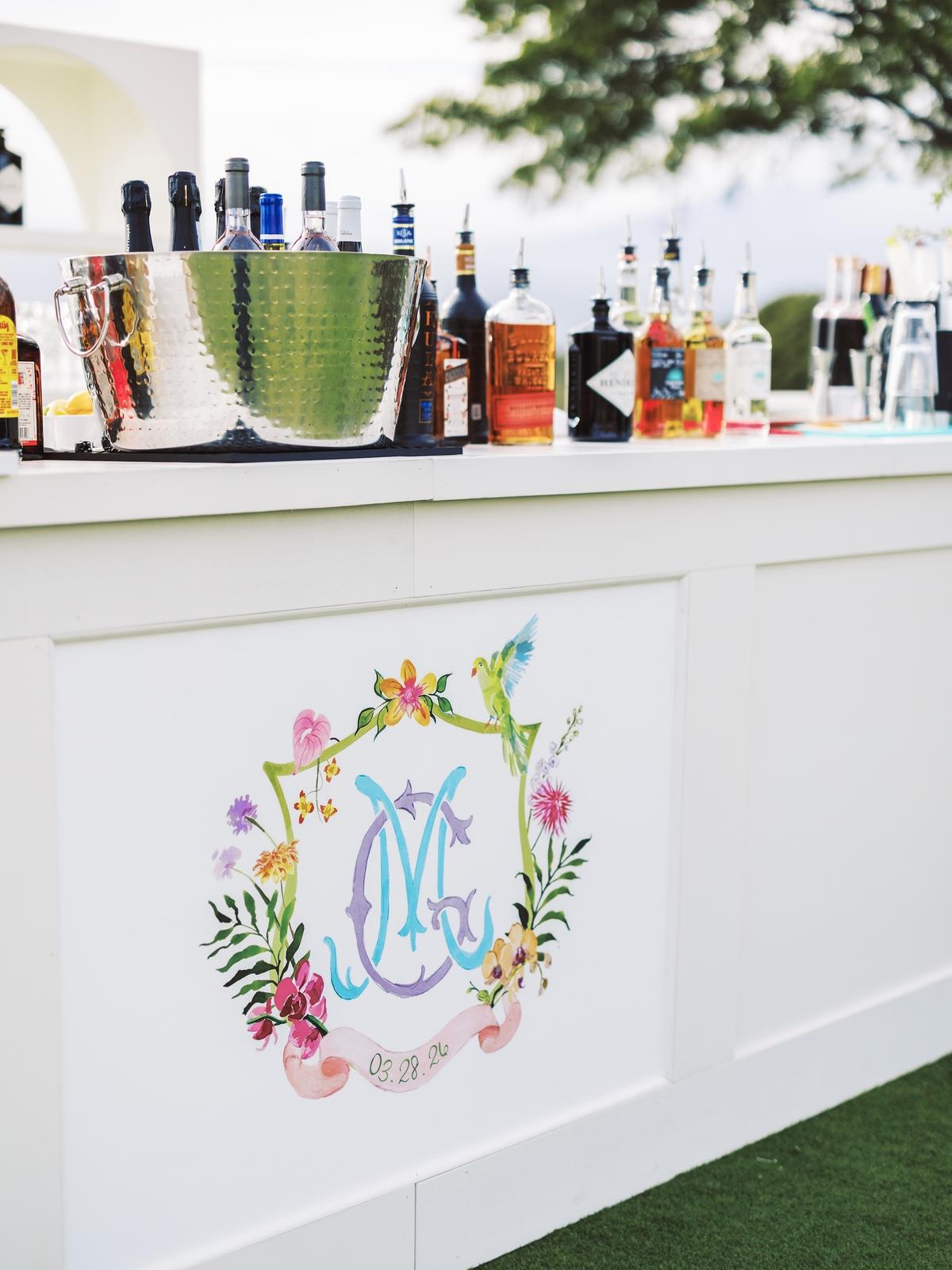
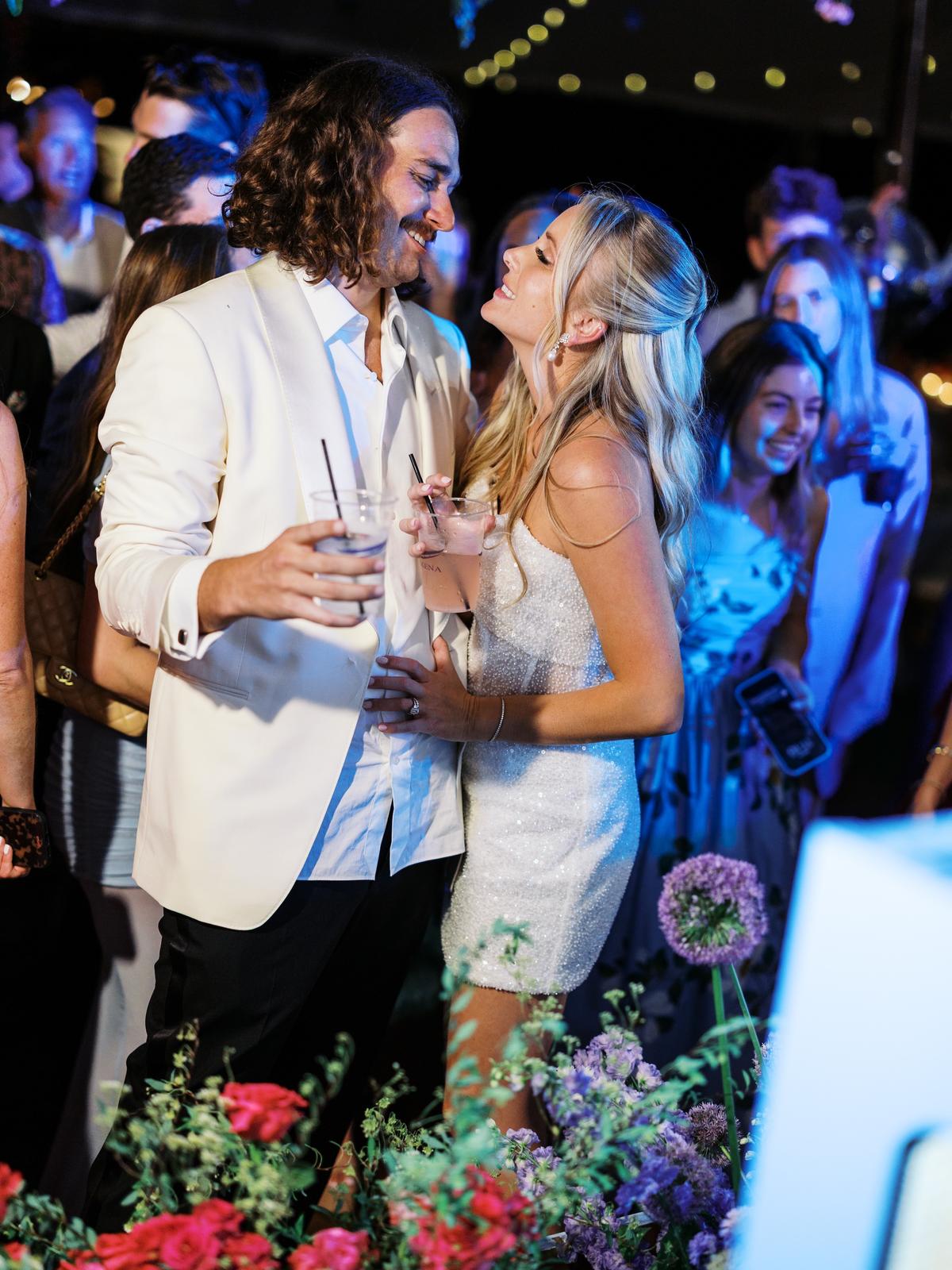
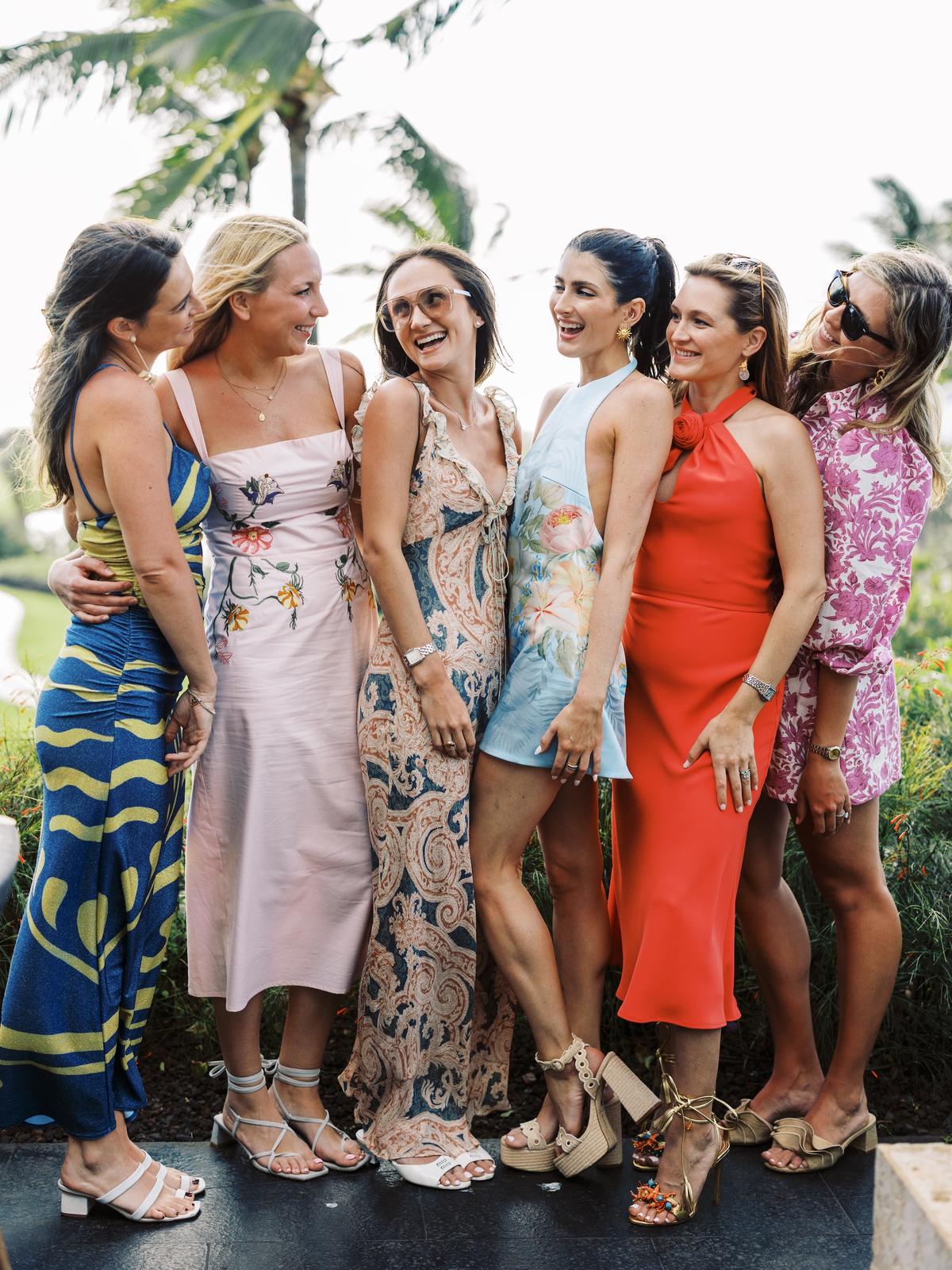
Photographs from a vibrant oceanfront Maui wedding full of tropical garden florals, published on Style Me Pretty in August 2026.
Additional Credits
Videography: Zeb Films | Floral Design: Mandy Grace Designs | Groom: Mark Manchester | Bride: Gabby Greig Manchester | Wedding PR: Published + Pretty | Venue: Private Resort