Before You Raise Your Rates, Read This
Fourth quarter is when most vendors change their number. Six questions to answer before you do, and the mechanics of doing it cleanly.

Every November, somewhere between the last fall wedding and the first engagement-season inquiry, a wedding vendor opens last year’s price sheet and stares at it. The decision is usually made the same way: add a bit, round to something that looks deliberate, and hope the inquiries keep coming. Most of the time they do. But a price change made that way answers none of the questions it should.
The case for changing the number has been made on these pages before. One Small Change to Help You Earn Much More argued for a higher minimum. Tariffs, Freight, and Flowers explained why your costs rose. This piece is about the mechanics: what to check first, who to tell, and when it takes effect.
Think of it as the pre-flight list. Six questions, each with something to do.
A price change is a business decision with a date on it. Decide the number, the date and the exceptions before you touch the price sheet.
1. What Did Your Costs Actually Do?
Start with the one number you can look up rather than feel. The Bureau of Labor Statistics reported that the Consumer Price Index for all items rose 3.7 percent in the twelve months to September 2026, and 2.6 percent excluding food and energy.1 That is the floor. A vendor whose price is unchanged from a year ago is, in real terms, charging less than they did, before a single supplier invoice is opened.
Then open the invoices. Your own costs are not the national average. Flowers, freight, rentals, second shooters, software, fuel, insurance: each moved by its own amount, and the only way to know yours is to put last year’s costs beside this year’s for three or four representative weddings. The Lockharts, the New York photography and film studio, frame their own increases exactly this way: pricing “has been adjusted upward as their experience, team and service have grown,” and they describe raising prices as the way they keep investing in people, equipment, professional development, quality control and the client experience.2
Practical step: Pick three weddings from this year at different sizes. For each, list what you paid out (staff, product, travel, rentals, software, fees) and what you charged. The gap, and how it moved from last year, is your real starting point, not a percentage pulled from the air.
2. Which Weddings Do You Want More Of?
A price is also a filter. Raise it and some inquiries stop; the question is whether those are the inquiries you wanted. Layne Povey of Lynden Lane Co. describes the pattern from the planning side: the studio gets “a lot of inquiries that align with the aesthetic of Lynden Lane, but not always the investment level.”3 The price sheet is where that alignment is set.
Look at the weddings you did this year and sort them honestly: the ones you would do again tomorrow, the ones that were fine, the ones that cost you more than they paid. If the third group clusters at the bottom of your price range, the floor is the number to move, not the top.
Practical step: Before you change any figure, write one sentence describing the wedding you most want to book in 2027: size, budget band, style, where. Then check whether the new price sheet makes that couple more or less likely to reach you.
3. Can You Explain the Number Without Apologizing for It?
The hardest part of a price change is the first conversation where a couple notices. The vendors who handle it well have decided, in advance, what they are selling. Michelle Pupa of Stoneblossom, the Rhode Island floral studio, prices every piece by line item, walks couples through how many hands a large installation takes, and is direct about where that leaves her: “We’re never going to be the least expensive option, and we’re comfortable with that.”4
Michelle Durpetti, the Chicago planner, puts the same discipline into the structure of the fee. Her firm works only in a full-service model, “with a planning fee established according to the scope and complexity of each celebration,” and transparency, she writes, “is one of the values I hold most closely.”5 The number follows the scope, and the scope is on the page before anyone signs.
Practical step: Write the two sentences you will say when a couple asks why the price went up. If you cannot write them without the word “sorry,” the problem is not the price, it is that you have not yet named what changed.
Want to join the Style Me Pretty vendor directory for just $99?
4. What Do You Owe the Couples Already Talking to You?
A price change has a date, and the date creates three groups of couples. Those who signed before it: nothing changes, and the contract says so. Those who inquire after it: the new price, with no explanation needed. The hard group is the one in between, the couples who have a proposal in hand or a call on the calendar when the number moves.
The clean answer is a written quote with an expiry. A proposal sent at the old price stays at the old price until its own expiry date passes, and the date is on the document. If you have been sending proposals without one, this is the moment to start, because an open-ended quote at an old price is a discount you did not mean to give. The Contract Clauses Every Wedding Vendor Should Include covers the language.
Practical step: List every open proposal and inquiry today. Decide, couple by couple, which price they get, and put that decision in writing to them before the new sheet goes live. Nobody should learn your price went up by comparing two documents.
5. How Will Repeat and Referral Clients Hear About It?
Every vendor quoted in this piece says referrals bring most of their bookings, alone or alongside social media. The Lockharts say “a vast majority” of theirs come through vendor referrals; Lynden Lane says most now come from personal referrals or social media.2 3 Those relationships are the ones a quiet price change can bruise, because the planner who sent you three couples last year has a number in their head, and the next couple they send will meet a different one.
Tell them first. A short note to the planners, venues and past clients who refer you, before the new price is anywhere public, costs nothing and turns a surprise into an update. It also gives you the chance to say what changed, which is the sentence from question three.
Practical step: Make a list of the ten people who sent you the most business this year. Each gets a personal message with the new pricing and the one-line reason, sent the week before the price sheet changes, not after.
6. When Does It Take Effect, and Where Does It Live?
Pick a date and use it everywhere. The price sheet, the website, the inquiry auto-reply, the proposal template and the planner note should all change on the same day, because a couple who sees two numbers assumes the lower one. If engagement season is your busiest inquiry period, the change belongs before it starts, so those inquiries meet one price from the first email. The Engagement Season Prep List has the rest of that calendar.
Then leave it alone. A price that changes in January and again in March reads as uncertainty, and uncertainty is the thing couples negotiate against. One change, one date, twelve months.
Practical step: Put the effective date in your calendar now, with a reminder two weeks before to update every place the price appears. Keep the old sheet in a dated folder so you can see, next October, exactly what you changed and when.
The Bigger Picture
None of the vendors quoted here arrived at their pricing by guessing. Pupa prices by line item and explains the labor. Durpetti sets the fee by the scope and complexity of the celebration. Lynden Lane charges a percentage of the investment. The Lockharts tie every increase to something they invested in. The models differ; what they share is that each vendor can say, in a sentence, what the number is for.
That is the whole test for 2027. Not whether you raise your rates (the cost figures say you probably should) but whether, when a couple asks, you can answer without reaching for an apology. Decide the number, the date and the exceptions. Tell the people who send you work. Then let the price do its job.
Sources
- U.S. Bureau of Labor Statistics, “Consumer Price Index Summary”, September 2026 figures, released October 14, 2026 (all items up 3.7 percent over the twelve months ending September; all items less food and energy up 2.6 percent). https://www.bls.gov/news.release/cpi.nr0.htm
- Pretty Perspectives, “What The Lockharts Learned From Their Own Wedding Photos”, October 19, 2026. https://perspectives.stylemepretty.com/what-the-lockharts-learned-from-their-own-wedding-photos/
- Pretty Perspectives, “Layne Povey of Lynden Lane: More Like Someone’s Home”, in draft at the time of writing; the quotations are from her written interview. [LINK WHEN PUBLISHED]
- Pretty Perspectives, “From the Flower Counter to CEO: Michelle Pupa of Stoneblossom”, in draft at the time of writing; the quotation is from her written interview. [LINK WHEN PUBLISHED]
- Pretty Perspectives, “Beyond Beautiful: Michelle Durpetti on the Art of Hospitality”, October 22, 2026. https://perspectives.stylemepretty.com/michelle-durpetti-on-planning-weddings-like-a-restaurateur/
Credits
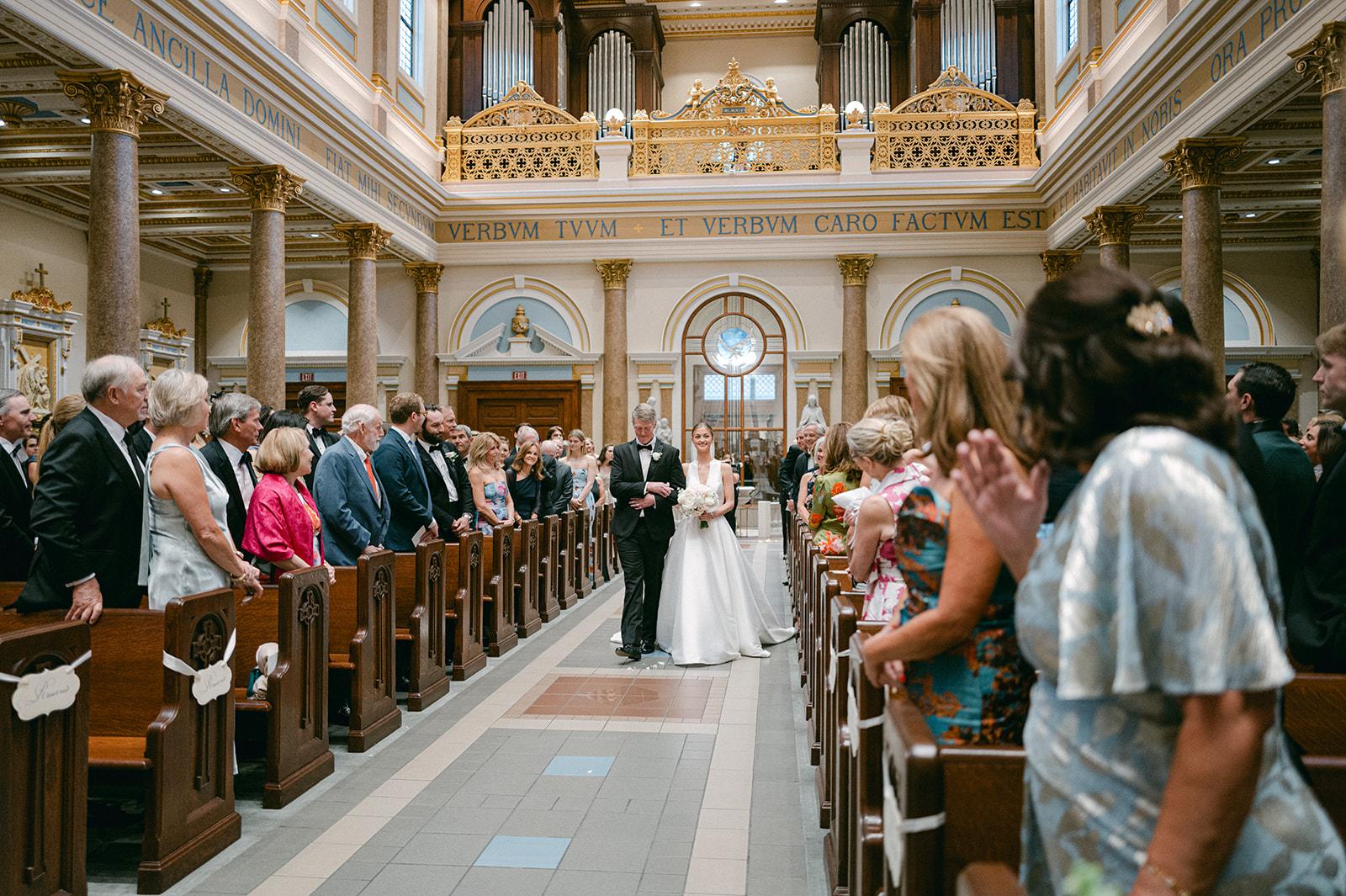
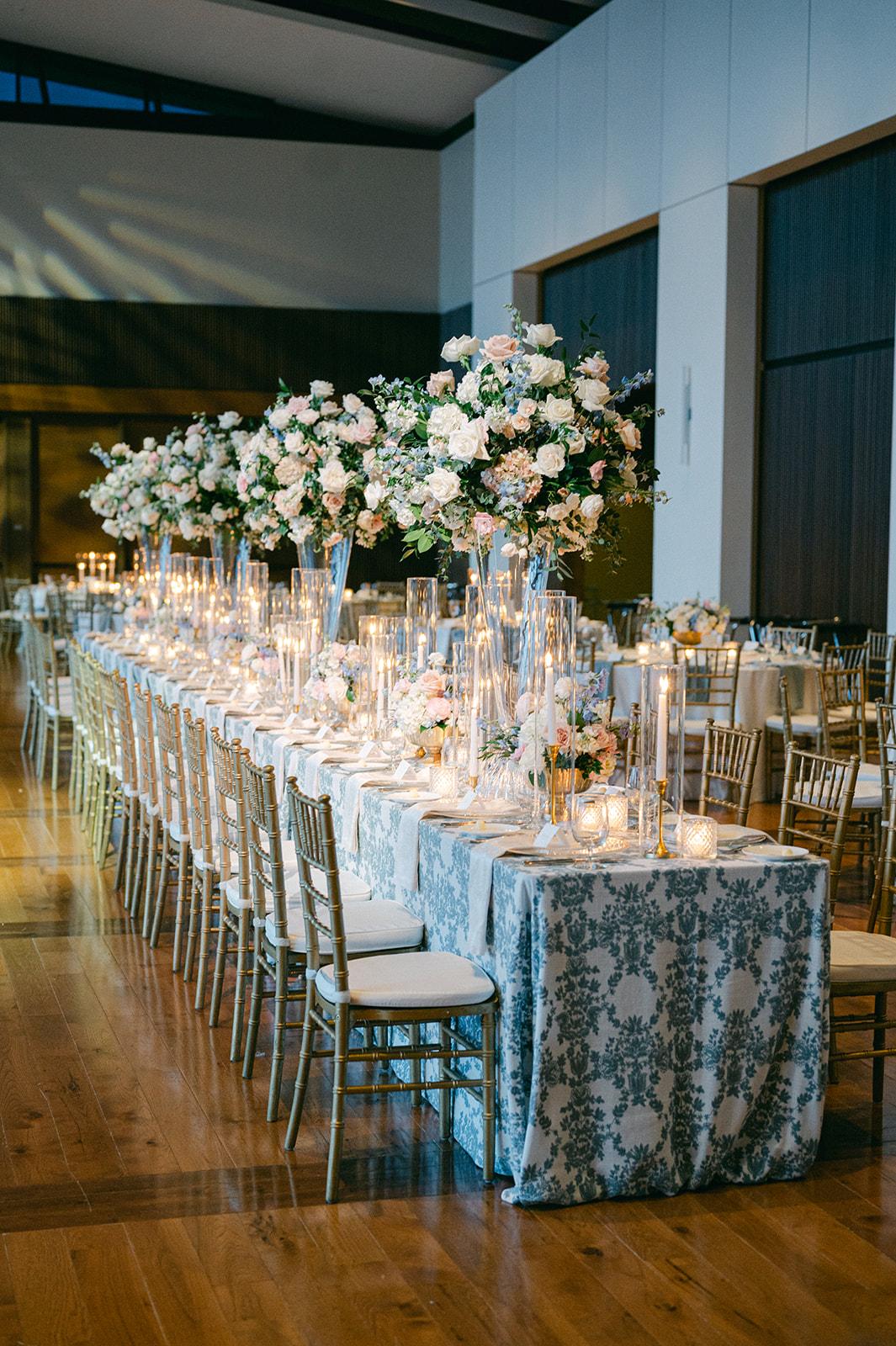
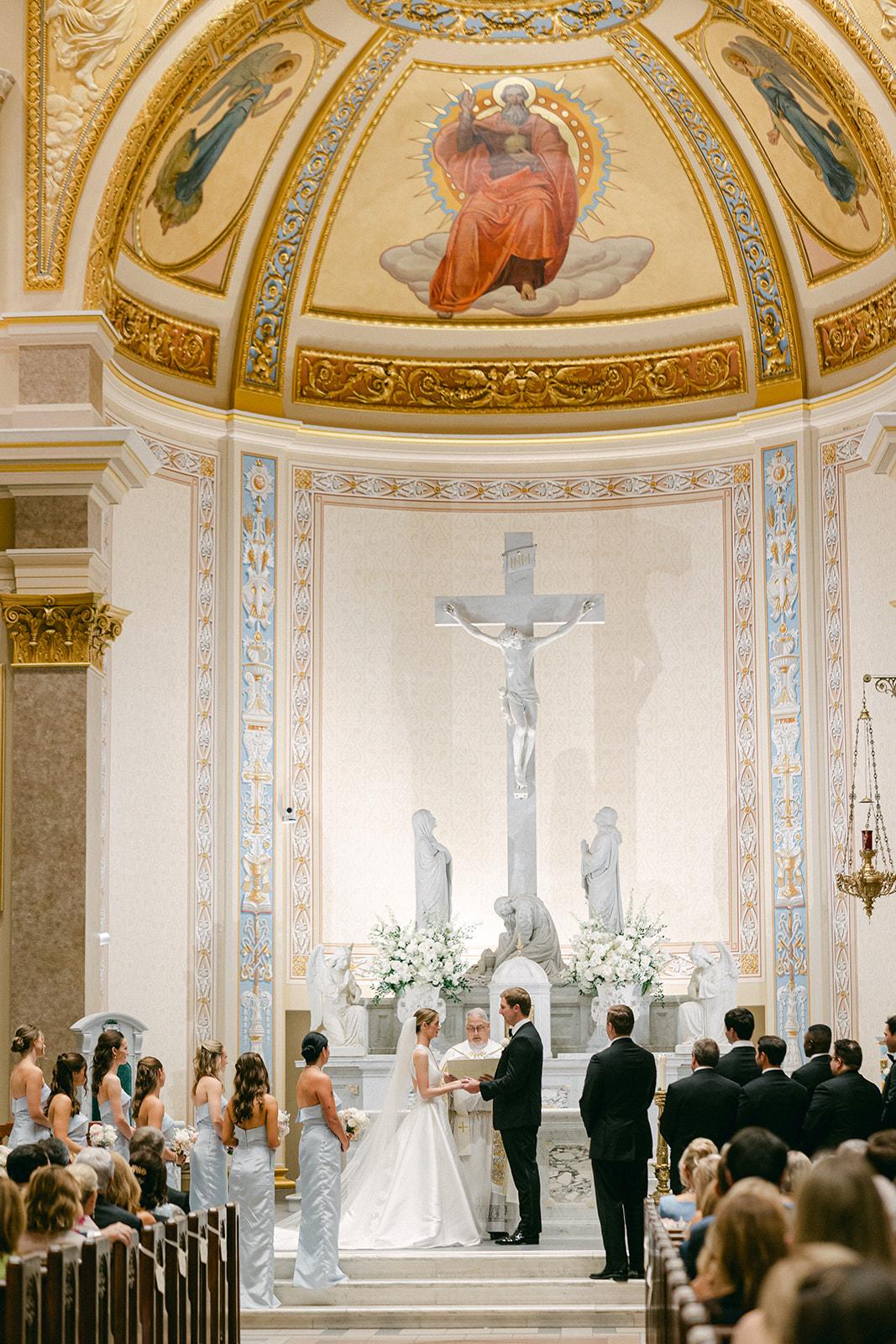
Photographs from Elegant Spring Wedding in Nashville With Blush, Blue and Endless Candlelight on Style Me Pretty, photographed by Kéra Photography) with linens by BBJ La Tavola, both active Little Black Book members.
Additional credits: Event Design: EBJ and Company | Floral Design: Geny’s Flowers | Cake: Dessert Designs | Ceremony Venue: Cathedral Of The Incarnation | Reception Venue: Country Music Hall Of Fame | Lighting: Bright Event Productions | Entertainment: The Downtown Band | Transportation: Signature Transportation Group | Rentals: Curated Events Nashville | Photo Booth: Nashville Smile Bar | Beauty: The Agency of Beauty